Most advice about the best time to sell a home was written for somewhere else. The conventional wisdom about spring listings, tax refund buyers, and school-year calendars was built around traditional markets where families drive demand and summer is the peak of activity. The Coachella Valley does not work that way, and sellers who treat it like a standard California market often leave money on the table or sit on a listing longer than they should.
The valley runs on a seasonal rhythm shaped by two things almost no other market shares: a large snowbird population that migrates in and out on a predictable schedule, and a summer heat that genuinely suppresses buyer traffic. Understanding that rhythm is the single most useful thing a seller here can know.
Why the Coachella Valley Has Its Own Rules
The bulk of buyers who purchase in the Coachella Valley are not buying a primary residence to commute from. They are buying a second home, a winter retreat, an investment property, or a retirement destination. Many are from Canada, the Pacific Northwest, the Midwest, or the East Coast, and they are physically present in the desert for a specific window of the year. When they are here, they are looking. When they leave, they largely stop.
That buyer pattern flips the traditional calendar. In a normal California market, your best listing months might be March through May. In the Coachella Valley, those same months mark the tail end of your peak season, not the beginning. Sellers who time their listing around national trends miss the moment when their most motivated buyers are actually in town.

Peak season in the Coachella Valley runs October through April, when snowbird buyers are in the desert and competition for well-priced homes is at its highest.
The Peak Window: October Through April
This is your selling season. From roughly October through the end of April, the valley’s buyer pool is at its largest. Seasonal residents have returned, winter vacationers are active, and retirees exploring a permanent move are making property tours part of their stay. Days on market tend to be shorter and list-to-sale ratios tighter during this window than in any other part of the year.
Within that window, there are two distinct sub-seasons worth understanding separately.
The first runs from October through December. This is the early-season opportunity. Listing in October or November puts your home in front of buyers who have just returned and are eager, often after a long summer away. There is less competition from other sellers because most homeowners have not yet decided to list. A well-priced, well-prepared home coming to market in October can generate real urgency.
The second runs from January through April. This is peak traffic. January through March brings the heaviest concentration of snowbird residents, and events like the Palm Springs International Film Festival in January and Modernism Week in February draw affluent visitors who frequently convert from tourists to buyers. April brings the Coachella Music Festival, which puts the valley in a national spotlight that has real spillover into short-term rental interest and investment property demand. The buyer pool is large but so is the inventory, so competition among sellers becomes a factor.
Largest buyer pool, shortest days on market, best list-to-sale ratios. Snowbirds are in the desert and actively shopping.
Smaller buyer pool, longer days on market. Less seller competition can help motivated sellers, but pricing must be sharp.
The Strategic Case for Listing in October or November
If you can choose your timing, listing in early-to-mid October is often the strongest position a Coachella Valley seller can be in. Here is why.
Buyers who arrive in the desert in October are typically motivated. They have spent months thinking about their winter plans. They know the area, they know what they want, and they want to be settled before the holidays. A home that hits the market in October faces far fewer competing listings than the same home listed in February, when the full flood of spring inventory arrives.
Pricing in October also tends to hold better. When a buyer has fewer options, they negotiate less aggressively. A home that lists at full ask in October and receives an offer within two weeks is a different situation than the same home listed in March competing against a dozen similar properties in the same neighborhood.
“The buyers who arrive in October are ready. They have been planning the move all summer. List before the competition does and you meet them first.”
What Actually Happens in Summer
Summer in the Coachella Valley, roughly May through September, is not a dead market. It is a thin one. Temperatures regularly exceed 110 degrees and casual buyers simply do not come. The visitors stop visiting. The snowbirds are gone. A home listed in July is competing for a much smaller buyer pool than the same home in November.
That said, summer listings are not hopeless. There are buyers who specifically look for leverage in the off-season, knowing that motivated sellers are more flexible on price and that competing inventory is lower. If you have a property that appeals to investors or buyers who can purchase remotely, summer can produce a deal. Just not at peak-season prices.
The practical advice for most sellers: if you have flexibility, avoid a summer listing. If circumstances require you to sell in summer, price aggressively from the start. A summer home priced at market value will sit. A summer home priced slightly below market will move.
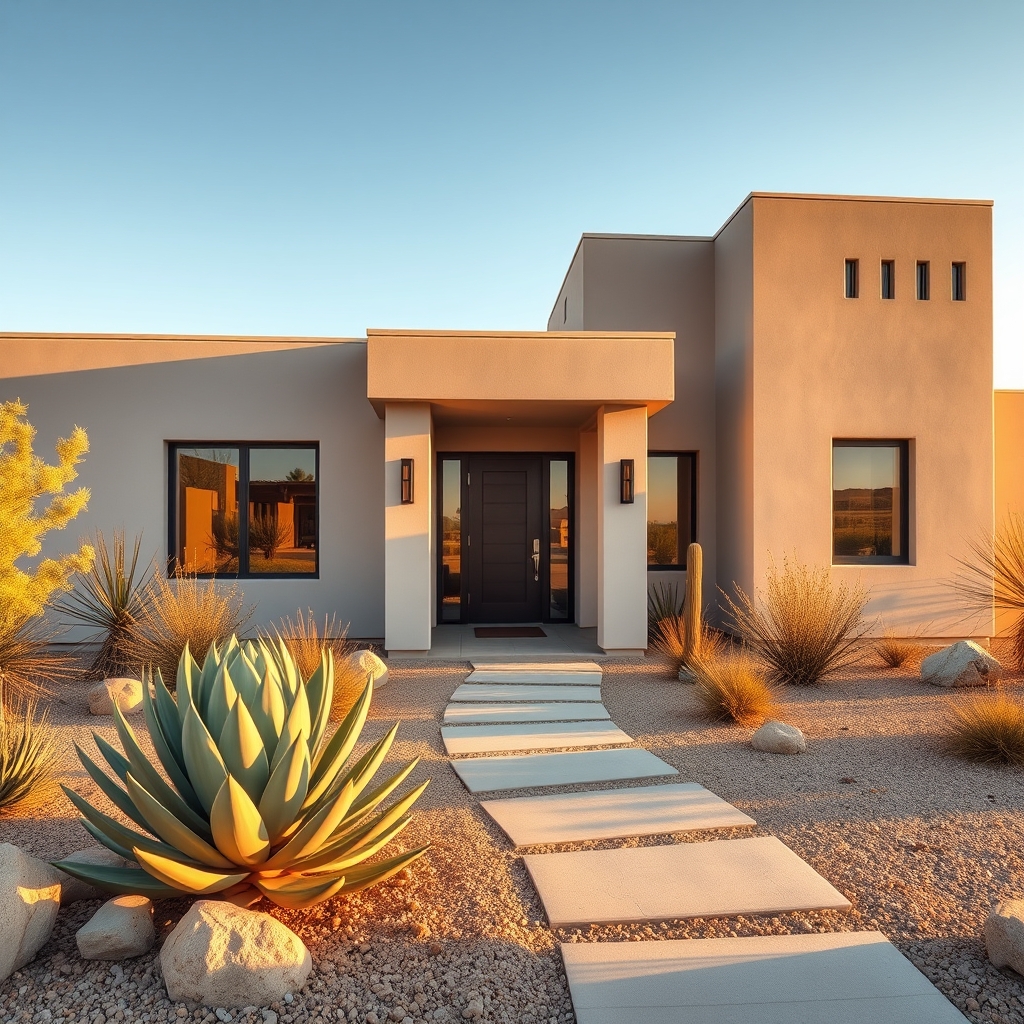
Presentation matters in any season, but in peak season a well-staged, professionally photographed listing can generate multiple offers within days of hitting the market.
How to Read the Market, Not Just the Calendar
Timing is one variable. Market conditions in the specific city and price range you are selling in are another, and they matter just as much. The Coachella Valley is not one market. La Quinta, Palm Desert, Indian Wells, and Rancho Mirage behave differently from Indio, Coachella, and Desert Hot Springs. Luxury properties over $2 million have different seasonal dynamics than entry-level homes.
Before you pick a listing date, know the answers to these questions:
- How much inventory is in your zip code right now? Low inventory means you have leverage on price regardless of season. High inventory means you need to be sharper on price and presentation.
- What is the average days on market for comparable recent sales? If comparable homes are sitting 90 days, you are in a buyer’s market and need to price accordingly.
- Is there a specific event or seasonal factor that draws buyers to your property type? A vacation rental near the festival grounds has a different sweet spot than a golf course home in a gated retirement community.
- Has the property been listed before? A home with a stale listing history needs a clean reset: new photos, refreshed staging, and ideally a few weeks off the market before relisting.
- Pull comparable sales from the last 90 days in your specific city and price band
- Check current active inventory in your neighborhood so you know your competition
- Schedule professional photography during the cooler morning hours when desert light is flattering
- Have your HVAC serviced before listing: buyers in the desert always ask about cooling costs
- Confirm your HOA documents are current and readily available for disclosure
- Identify any Mello-Roos or CFD assessments on the property early so there are no surprises in escrow
Questions Sellers Ask About Timing
Is spring still a good time to sell in the Coachella Valley?
Spring (February through April) brings the valley’s highest buyer traffic, so the opportunity is real. The challenge is that spring also brings the most seller competition. If your home is well-priced and well-prepared, spring can be excellent. If it is average in either category, you will be fighting for attention. Spring rewards sellers who have done their homework. October rewards sellers who simply get there first.
Does listing before the holidays hurt my chances?
Not in this market. The conventional advice to avoid listing in November or December comes from markets where family buyers go quiet over the holidays. In the Coachella Valley, November is the start of prime season. Snowbirds are arriving, the weather is ideal, and buyers who close before the new year often have strong motivation. A holiday-season listing here can be a genuine advantage, not a liability.
What if I need to sell in summer?
Price it to move. A summer home priced at fair market value will sit because the buyer pool is simply too thin to support optimistic pricing. A home priced 5 to 8 percent below comparable sales will attract the investors and motivated buyers who are specifically hunting for off-season deals. If you have flexibility, waiting until October is worth it. If you do not, accept the market you are in and price accordingly from day one.
How do valley events like Coachella and Modernism Week affect home sales?
These events draw a specific type of affluent visitor who is often already considering the Coachella Valley as a real estate market. Modernism Week in February is particularly relevant for mid-century modern homes, as it draws buyers who are specifically drawn to that architectural style. The Coachella Music Festival drives short-term rental interest and can accelerate decisions for investment property buyers. Listing just before a major event rather than during it is usually the better move since buyers make offers when they can focus, not while attending a festival.